The Case for Cooking Smaller Portions
Everyday Cooking | September 13, 2026
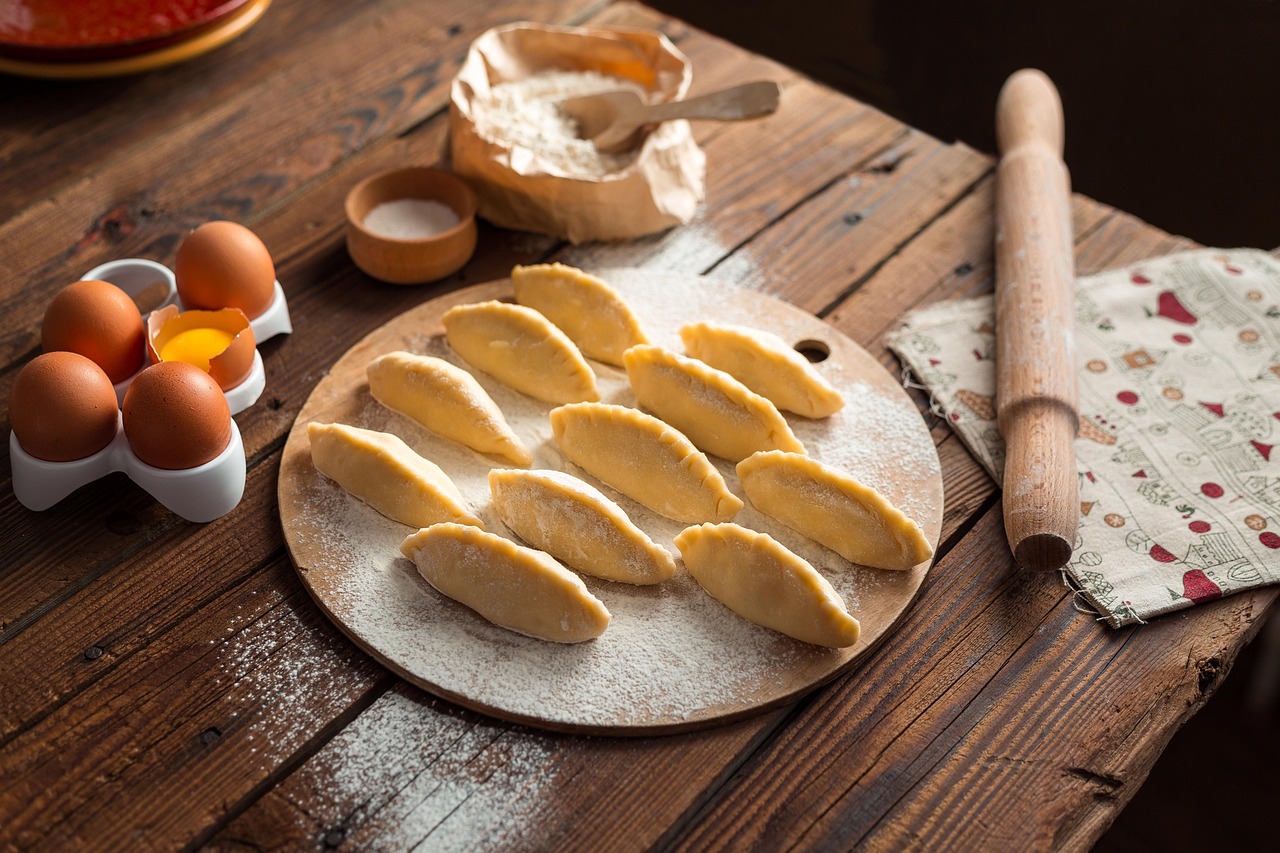
Most recipes are written for four to six people, and most of us are not feeding four to six people. We're feeding one, or two, or two adults and a kid who eats like a bird. So we either halve the recipe and end up with awkward fractions, or we cook the full thing and eat leftovers for four days straight. Neither is ideal. There's a third option, and it's simpler than it sounds: cook smaller portions on purpose.
Cooking for one or two isn't sad, and it isn't a compromise. It's actually a skill, and once you get the hang of it, it makes weeknight cooking significantly less daunting. A single chicken breast, a handful of green beans, and a small pot of rice takes fifteen minutes and produces exactly one dinner. No containers, no guessing whether it'll still be good on Thursday, no staring down a wall of Tupperware.
How to think in smaller amounts
The trick is to stop measuring and start eyeballing. A portion of protein is roughly the size of your palm. A portion of grains is about a cupped handful, dry. Vegetables are more forgiving, so err on the generous side. For sauces and seasonings, start small and taste as you go, because a little too much salt is easier to fix in a small pan than a big one. If you're used to cooking for a crowd, this will feel strange at first, but within a week or two your hands will start calibrating on their own.
Small-batch cooking also gives you options. You can make a different dinner every night without a lot of waste, because you're only buying what you'll use. You can cook the protein one way and the vegetables another, plate them separately, and feel like you made a real meal instead of a reheated assembly. And because you're cooking less food, it cooks faster and more evenly, which means better texture and better browning.
When to cook bigger anyway
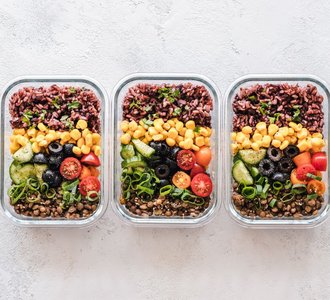
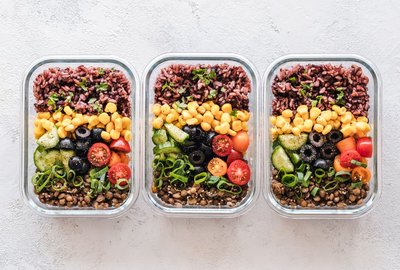
None of this means you should never batch cook. Some things genuinely improve when made in larger amounts: soups, stews, chili, braised meats, tomato sauce. Those are worth making in quantity and freezing in portions. The point is to be intentional about it. Cook big when the food gets better that way, and cook small when it doesn't. A stir-fry, a piece of fish, a bowl of pasta, a simple grain bowl: all better fresh, all easy to make in small amounts.
Once you stop treating small portions as a limitation and start treating them as the default, dinner gets simpler. You buy less, waste less, and eat better because you're cooking exactly what you need, exactly when you need it.


The Steady Spoon
A no-recipe framework for grain bowls that are filling, flexible, and better than whatever you'd buy.