


The 20-Minute Weeknight Formula That Ends Takeout Guilt
Weeknight Dinners | October 4, 2026
Most nights, the hardest part of cooking isn't the cooking. It's the deciding. By the time you're hungry, standing in front of an open fridge, the easiest option is almost always your phone. So here's a fix: stop deciding, and start following a formula. Once you have a reliable structure, weeknight dinners stop feeling like a test you didn't study for.
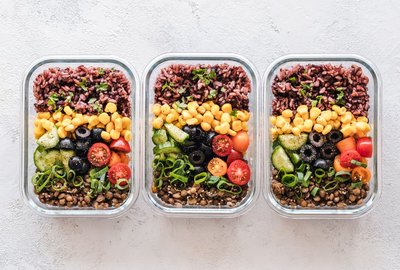
The formula is simple: one protein, one vegetable, one starch, one sauce. That's it. Four slots, and you can fill them with whatever you actually have. Chicken, tofu, sausage, eggs, canned beans — any of them work in the protein slot. The vegetable can be fresh, frozen, or bagged slaw. The starch is rice, pasta, tortillas, potatoes, or bread. And the sauce is what makes it taste like a real meal instead of a sad plate of food.
Why This Beats a Recipe
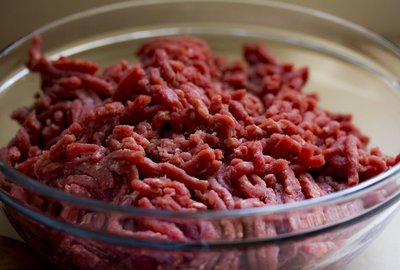
Recipes are great, but they assume you have exactly the right ingredients and the time to follow every step. A formula works with what's in your kitchen right now. If you have ground beef, a bag of frozen broccoli, a box of pasta, and a jar of pesto, you have dinner. If you have eggs, spinach, leftover rice, and soy sauce, you also have dinner. Same structure, completely different meal.
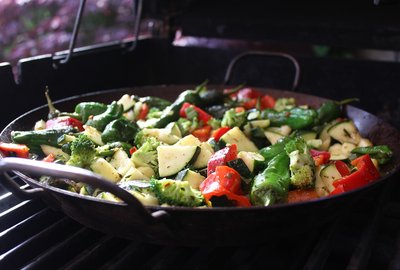
The other advantage is speed. When you're not reading a recipe and measuring eight spices, you can move through the steps quickly. Start your starch first, since it usually takes longest. While it cooks, brown your protein in a hot pan with salt and pepper. When it's nearly done, add your vegetable. If the pan looks dry, splash in a little water or broth and cover it for a minute — the steam will cook the vegetables fast without burning anything.
Sauce is where people get stuck, so keep two or three go-to options on hand. A jar of pesto, a bottle of good soy sauce or teriyaki, a lemon and some olive oil, or a tub of tahini you can thin with water and lemon. None of these require cooking. They just get stirred in at the end, or spooned over the top.
Making It Balanced Without Overthinking
Balanced doesn't mean measuring macros. It means the plate has some protein, some produce, and enough substance to actually fill you up. If you notice you've been eating a lot of pasta and cheese lately, swap the starch for rice and add a bag of frozen green beans. If you've been eating a lot of salads, add a can of chickpeas and a piece of toast. Small adjustments, not overhauls.
One more thing: cook a little extra on purpose. Doubling the rice or roasting two trays of vegetables means tomorrow's dinner is half done before you start. The formula scales up easily, and leftovers reheat fine when the sauce is added fresh at the end.
Start with one meal this week. Pick your four slots, cook them in whatever order makes sense, and see how it goes. The goal isn't perfection — it's getting to the table without ordering out.


The Steady Spoon

Forget the perfect Sunday prep session — here's how to build lunches that survive a real workweek.