

A Realistic Guide to Packing Lunches You'll Actually Eat
Meal Prep | October 1, 2026
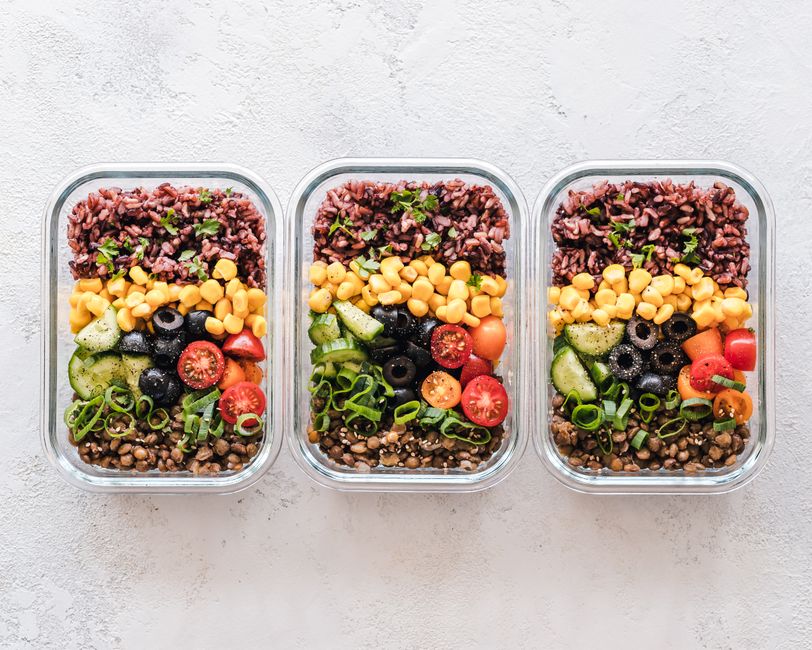
The fantasy goes like this: Sunday afternoon, you cook five identical containers of chicken, rice, and broccoli, stack them in the fridge, and glide through the week feeling virtuous. The reality: by Wednesday you're sick of chicken, the rice has gone mushy, and you're buying a sandwich anyway. Lunch prep doesn't have to be that way, but it does have to be honest about how you actually eat.
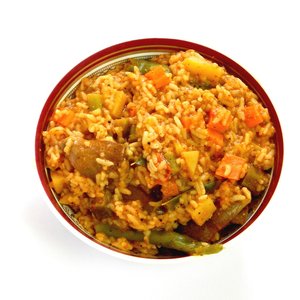
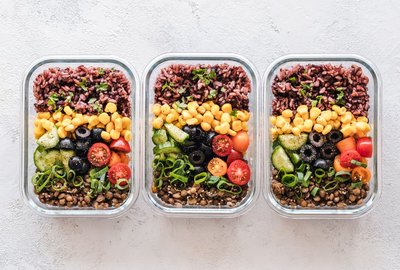
The first shift is to stop thinking about prepping finished meals and start thinking about prepping components. Cook a pot of grains, roast a tray of vegetables, and prepare one or two proteins. Keep them in separate containers. Now you can assemble a different lunch each day — grain bowl on Monday, wrap on Tuesday, salad with protein on Wednesday — without any of it tasting like leftovers of the same thing.
What Holds Up and What Doesn't
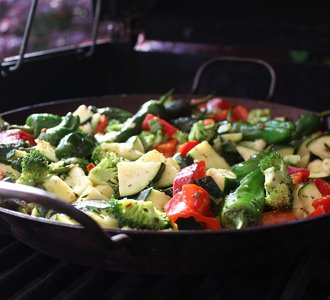
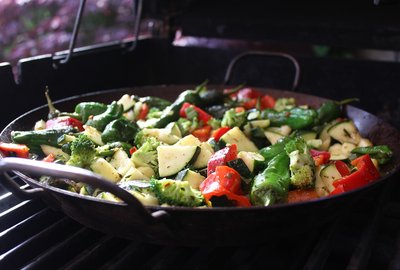
Some foods are made for the fridge and some aren't. Grains like rice, farro, and quinoa hold up well for four or five days. Roasted vegetables are fine too, though they lose their crispness — that's okay, since they're going into a bowl anyway. Hearty greens like kale and cabbage stay fresh much longer than delicate lettuce, which wilts the second it touches dressing.
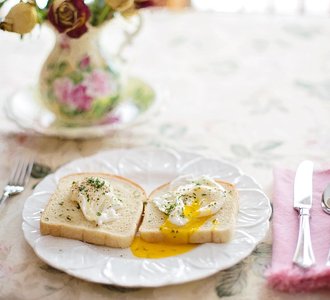
Proteins are where people run into trouble. Grilled chicken breasts dry out fast. Instead, try poached chicken, which stays moist, or shredded chicken mixed with a little olive oil and lemon. Hard-boiled eggs are nearly indestructible and take ten minutes. Canned tuna, chickpeas, and rotisserie chicken from the store are all legitimate shortcuts that save you an entire cooking step.
Dressings and sauces should always be packed separately. A small jar of vinaigrette or tahini dressing poured over the whole thing at lunchtime changes the meal completely, and nothing gets soggy in the meantime.
The Two-Hour Sunday That Works
You don't need a full afternoon. Set a timer for two hours and work in this order. First, get grains going on the stove — they cook unattended. Second, put vegetables in the oven to roast. Third, while those are happening, boil eggs and cook your protein. Fourth, make one sauce. By the time the timer goes off, you have five days of building blocks and a clean kitchen if you wash as you go.
If even two hours feels like too much, do a smaller version. Cook one pot of rice and boil six eggs. That alone gets you halfway through the week. Add a bag of pre-washed greens and a can of beans and you have lunches covered.
The point isn't to be impressive. It's to make the default option — the one you reach for when you're rushed — something decent instead of something you regret. Build the habit small, keep the components flexible, and let the week take care of itself.


The Steady Spoon

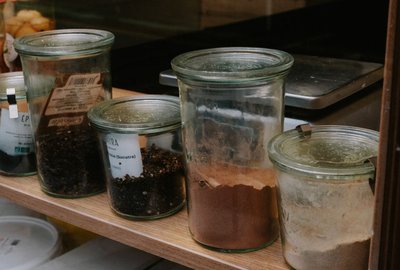
The short list of shelf-stable ingredients that turn an empty fridge into a real meal.